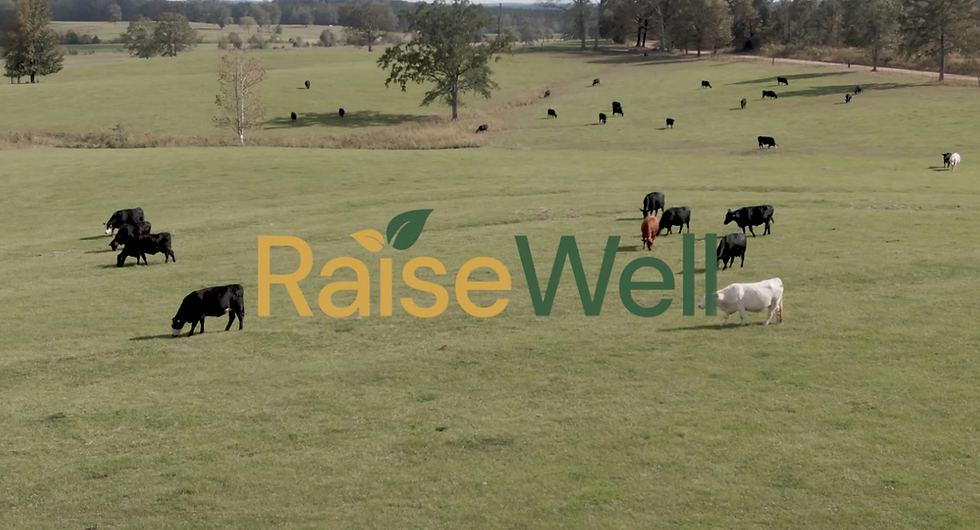
How Beef Producers Can Use Product of the USA Certification to Market American Beef
If you’re a cattle producer, you already know the story behind your beef.
You know where your cattle were born. You know where they were raised. You know the work that goes into getting them from pasture to processing.
But when that beef reaches a consumer, retailer or foodservice buyer, how do you prove that story?
That question is becoming increasingly important in the U.S. beef industry.
In 2026, the USDA strengthened its voluntary “Product of USA” labeling standard, reserving the claim for meat from animals that were born, raised, harvested and processed in the United States. The new standard took effect January 1, 2026, and USDA has been actively promoting the label as a way to increase transparency and help consumers identify products that are truly American from ranch to retail.
For cattle producers and beef brands, that creates an important opportunity:
How can you turn U.S. origin into a verified marketing advantage?
What Does “Product of the USA” Mean for Beef?
Under the USDA's current voluntary standard, beef products using a “Product of USA” or “Made in the USA” claim must meet specific U.S. origin requirements.
For beef, that means the cattle must be:
Born in the United States
Raised in the United States
Harvested in the United States
Processed in the United States
The claim is voluntary. Producers and beef companies do not have to use it.
But companies that choose to make the claim must be able to substantiate it.
USDA's Food Safety and Inspection Service (FSIS) allows establishments to use documentation and control systems to demonstrate compliance, including records related to the sourcing, traceability and segregation of eligible animals and products.
Being American-raised and being able to verify an American-origin claim are two different things.
For ranchers building a beef brand, the second piece is becoming increasingly valuable.
Why Product of the USA Matters Right Now
The conversation around American beef has changed significantly.
Consumers want more information about where their food comes from. Retailers and foodservice companies are asking suppliers for greater transparency. And policymakers are putting increased emphasis on domestic beef production, processing and supply-chain resilience.
USDA's 2026 Product of USA campaign specifically promotes the voluntary label as a way to give consumers greater confidence that meat comes from animals born, raised, harvested and processed in the United States.
And the momentum is already showing up across the beef industry.
USDA: More Companies Are Adopting Product of USA
In July 2026, USDA announced that 10 additional meat and poultry companies had adopted the Product of USA label, including One World Beef (a CARE Certified Beef Company)
Industry coverage has also highlighted the growing adoption of the voluntary label.
The takeaway for ranchers isn't simply that more companies are putting a logo on a box.
It's that verified U.S. origin is becoming a more visible part of the beef marketing conversation.
Product of USA Is More Than a Label
For a rancher, the real opportunity is not simply putting another logo on a package.
It's building a stronger story around the cattle you're already raising.
Think about the difference between saying:
“Our beef is American.”
and being able to communicate:
“Our beef is independently verified as Product of the USA.”
The second statement gives buyers and consumers something more valuable than a marketing promise: evidence behind the claim.
What Is Certified Product of the USA?
The Certified Product of the USA program from Where Food Comes From is a third-party verification program designed to verify the U.S. origin of cattle and support traceability throughout the supply chain.
That verified information can then support brands looking to communicate an authentic American sourcing story.
This is an important distinction for producers:
USDA establishes the regulatory requirements for voluntary U.S.-origin label claims. Third-party verification provides an additional layer of independent verification that can help document and communicate those attributes throughout the supply chain.
In other words, certification isn't about changing what you produce.
It's about proving what you produce.
Why Should Ranchers Consider Product of the USA Certification?
If your cattle already meet U.S.-origin requirements, you may be wondering:
What's in it for my operation?
The answer depends on your marketing strategy, but certification can provide several potential advantages.
1. Differentiate Your Beef Brand
The beef case is crowded.
Grass-fed. Grass-finished. Natural. Regenerative. Organic. Humanely raised. No added hormones. Locally raised. Source verified.
Consumers are being asked to understand a growing number of claims.
A verified U.S.-origin claim gives your brand another way to communicate what makes your beef different.
Instead of simply telling customers where your cattle come from, you can build a marketing story around verified American origin.
2. Build Consumer Trust
Origin matters.
Consumers increasingly want to understand where their food comes from and how it moves through the supply chain.
A third-party verification program gives brands a way to substantiate their sourcing story instead of relying solely on self-reported claims.
For a family ranch or producer-owned beef brand, that can be especially powerful.
Your story starts on the ranch.
Verification helps carry that story all the way to the package.
3. Create Opportunities for Value-Added Beef
Certification doesn't automatically guarantee a premium price.
That's an important point.
But verification can help producers and brands qualify for or pursue programs, buyers and market opportunities that place a greater value on documented production attributes.
Where Food Comes From works with producers across multiple verification programs designed to support market access and value-added beef programs.
Product of the USA can also be combined with other relevant certifications and verified claims.
For example, a producer may build a broader marketing strategy around:
Product of the USA
Source Verification
CARE Certified
Verified Natural Beef
Non-Hormone Treated Cattle
Organic Certification
Grass-fed or other approved production claims
The right combination depends on the ranch, the cattle, the processor and the markets you're trying to reach.
4. Prepare for Retail and Foodservice Buyers
Today's buyers are asking harder questions.
Where did the cattle come from?
Can you verify the origin?
Can you trace them?
Can you substantiate the claims on the package?
Can you provide documentation?
Independent verification can help create the documentation and supply-chain transparency needed to answer those questions.
That can become particularly important for producers who want to move beyond commodity markets and build relationships with branded beef programs, retailers, restaurants and foodservice buyers.
What Does a Rancher Need to Do to Get Started?
For many producers, the first question isn't:
“How do I get certified?”
It's:
“What do I need to have in place?”
Traceability is the foundation.
Depending on the program and supply chain, producers may need to maintain records related to:
Cattle identification
Animal origin
Ranch records
Movement records
Ownership
EID tags
Cattle inventories
Processing documentation
Other records supporting the verified claim
The goal isn't to create paperwork for paperwork's sake.
The goal is to create a traceable chain of information from ranch to consumer.
What About USDA Requirements?
This is where the terminology can get confusing.
There are several different pieces of the puzzle:
USDA/FSIS: Establishes and enforces federal requirements governing voluntary U.S.-origin labeling claims on FSIS-regulated meat products.
USDA Process Verification: USDA's Agricultural Marketing Service can verify specific production processes and claims through approved Process Verified Programs.
Third-Party Verification: Independent organizations can verify specific claims and supply-chain practices against established standards.
Where Food Comes From offers a range of third-party verification programs and also operates USDA-accredited Process Verified Programs for certain claims.
For a rancher, the important question is not necessarily which acronym belongs on which document.
It's:
What claim are you trying to make, what market are you trying to reach, and what verification will give your buyer confidence in that claim?
The Beef Industry Is Putting More Focus on Domestic Supply Chains
Product of the USA is part of a much larger conversation happening throughout the beef industry.
In June 2026, USDA announced the Strengthening Processing for U.S. Ranchers (SPUR) Program, which provides up to $500 million to eligible small and midsized beef processors to help strengthen domestic processing capacity. USDA specifically connected the program with expanded market opportunities for American ranchers and value-added beef programs, including Product of USA.
At the same time, USDA has been examining how beef grading standards could evolve to better serve producers, processors, buyers and consumers. In September 2026, USDA announced an extension of the comment period for its review of U.S. beef grade standards through December 7, 2026.
And USDA's broader Plan to Fortify the American Beef Industry specifically identifies transparent labeling, domestic processing and expanded marketing choices for ranchers as priorities.
The message is becoming increasingly clear:

Product of the USA vs. Certified Product of the USA: What's the Difference?
This is one of the most important questions for ranchers.
USDA Product of USA
The USDA's Product of USA claim is a voluntary federal labeling claim.
For products using the claim, the applicable requirements under the FSIS rule must be met, including U.S. origin requirements for the source animals and processing.
Certified Product of the USA
Certified Product of the USA is a third-party verification program offered through Where Food Comes From.
The program verifies qualifying U.S. origin attributes through an independent verification process and supply-chain traceability.
These aren't necessarily competing concepts.
For a beef brand, third-party certification can provide another layer of confidence and documentation around the origin story being communicated to buyers and consumers.
The key is making sure the specific label claim on the final beef product meets all applicable USDA/FSIS requirements.
Is Product of the USA Right for Your Beef Brand?
If you're building a branded beef program, selling directly to consumers, working with a regional processor or trying to reach premium retail and foodservice markets, it's worth asking whether verified U.S. origin could strengthen your marketing strategy.
Consider certification if you're looking to:
Build a recognizable beef brand
Differentiate your cattle from commodity beef
Tell a stronger American ranching story
Improve supply-chain transparency
Meet buyer or retailer verification expectations
Combine origin with other verified production claims
Pursue value-added or specialty beef markets
Give consumers greater confidence in where their beef comes from
And remember: certification is not a substitute for a marketing strategy.
The certificate is proof. Your ranch is the story.
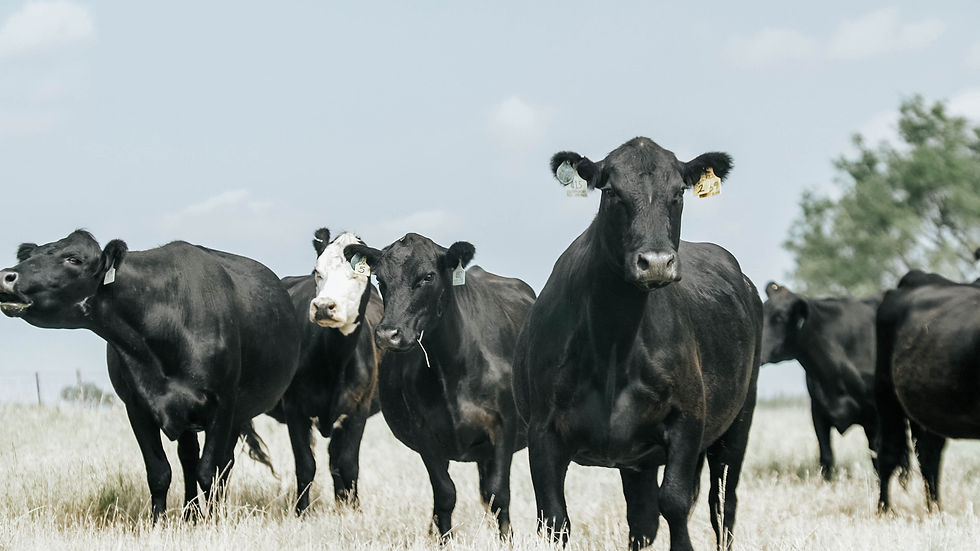
Turn Your Ranch Story Into a Marketable Beef Brand
For generations, American ranchers have done the hard part.
They've raised the cattle.
They've cared for the land.
They've built their businesses around producing food for American families.
Now, the opportunity is to make sure that work is visible and verifiable when the product reaches the consumer.
Product of the USA certification can be one piece of that strategy.
By combining traceability, third-party verification and strong brand storytelling, producers can move beyond simply selling cattle and begin building a more recognizable story around the beef those cattle become.
Because consumers don't just want to know that their beef is American.
They want to know they can trust it.
Ready to Explore Product of the USA Certification?
Where Food Comes From works with ranchers, processors and brands to develop verification strategies based on their production practices and market goals.
If you're a beef producer interested in Certified Product of the USA, Source Verification or other value-added beef programs, our team can help you determine which options may be right for your operation.
Put Your Red, White & Blue on the Package
Your cattle are raised here. Your story is American. Now, show consumers.