

Upcycled Food: Closing the Loop on Waste and Building a Smarter Food System
Every year, billions of pounds of food are lost before they ever reach a plate. Not because they aren’t edible. Not because they lack nutrition. But because they’re imperfect, surplus, or simply overlooked.
That’s where upcycling steps in like a second-chance architect for our food system.
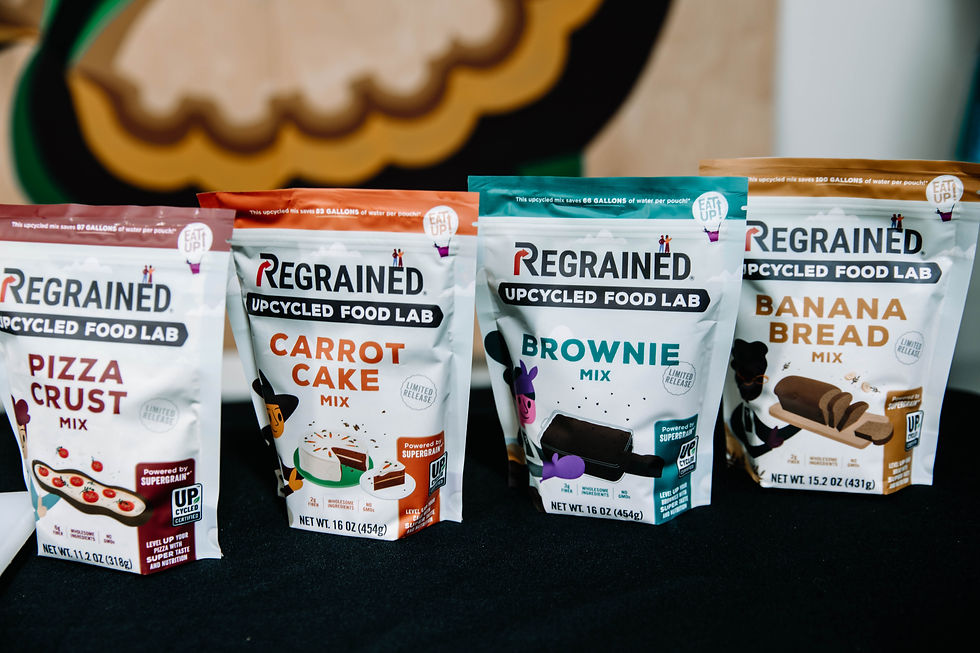
As awareness grows around sustainability and resource efficiency, upcycled food is transforming what used to be waste into opportunity. And with trusted verification like Upcycled Certified, it’s no longer just a trend, it’s a movement grounded in transparency, impact, and measurable change.

What Is Upcycled Food?
Upcycled food takes ingredients that would otherwise go to waste and gives them a new life as high-quality, safe, and delicious products.
Think:
“Ugly” produce that doesn’t meet retail standards
Byproducts from food processing
Surplus ingredients that never make it to market
Instead of being discarded, these inputs are reimagined into new products, reducing waste and maximizing every ounce of effort, land, water, and energy that went into producing them.
It’s less of a straight line and more of a circle, a system that refuses to let value fall through the cracks.
Why Upcycling Matters More Than Ever
Food waste isn’t just a disposal issue. It’s a resource issue.
When food is wasted, so is:
Water used to grow it
Land used to produce it
Energy used to harvest, process, and transport it
Upcycling helps close that loop.
It ensures that the full value of agricultural inputs is realized while reducing pressure on natural resources. For producers, it creates new revenue streams. For brands, it offers a sustainability story backed by action. For consumers, it provides a way to participate in change with every purchase.
The Power of Upcycled Certified
As the category grows, so does the need for trust.
That’s where Upcycled Certified comes in, developed in partnership with organizations like the Upcycled Food Association and implemented by leaders like Where Food Comes From.
This certification ensures that:
Ingredients are truly diverted from the waste stream
Environmental impact is measurable and verified
Claims are transparent and credible
In a marketplace crowded with sustainability messaging, Upcycled Certified acts like a lighthouse, cutting through the fog and guiding consumers toward products that deliver real impact.
The Numbers Behind the Movement
According to the Upcycled Food Association’s latest impact reporting, the results are hard to ignore:
Millions of pounds of food have already been diverted from waste streams
Upcycled products are one of the fastest-growing categories in sustainable food
Consumers are increasingly willing to pay more for products with verified environmental benefits
These aren’t just feel-good metrics. They signal a shift in how the food system operates.
Want the full breakdown? Download the Upcycled Food Association’s Impact Report to see how upcycling is reshaping the industry.
From “Ugly” to Unstoppable: Watch the Story
If you want to see upcycling in action, this episode of Spork the System brings the concept to life.
In this episode:
Ben Moore of The Ugly Company shares how “imperfect” fruit becomes a premium product
Vinodthan Nayagar from Where Food Comes From explains why verification matters
The conversation reframes waste as one of the biggest untapped opportunities in food
It’s part education, part reality check, and part glimpse into a better system.
Why This Matters on Stop Food Waste Day (and Every Day)
Events like Stop Food Waste Day shine a spotlight on the scale of the problem, but the real work happens in the everyday decisions across the supply chain.
Upcycling is one of the most practical, scalable ways to:
Reduce waste
Improve efficiency
Support sustainability goals
Strengthen consumer trust
It’s not about producing more. It’s about using what we already produce, better.
Closing the Loop Starts Here
The future of food isn’t just about innovation. It’s about intention.
Upcycled food represents a system that values every input, respects the land, and refuses to let good food go to waste. With verification through Upcycled Certified, that story becomes measurable, credible, and scalable.
Because the goal isn’t just to reduce waste.
It’s to build a food system where waste barely exists in the first place.
OR

